Research Highlights

mRNA Technology Beyond COVID — A New Era for Vaccine Development
The messenger RNA platform that enabled rapid COVID-19 vaccine development is now being applied to influenza, RSV, HIV, and even certain cancer types. Researchers across major US institutions are advancing trials that could fundamentally reshape preventive medicine over the coming decade.

SGLT2 Inhibitors and Heart Failure — Expanding the Evidence Base
Clinical trials continue to reinforce the benefit of SGLT2 inhibitors across broader heart failure populations, including patients without diabetes.
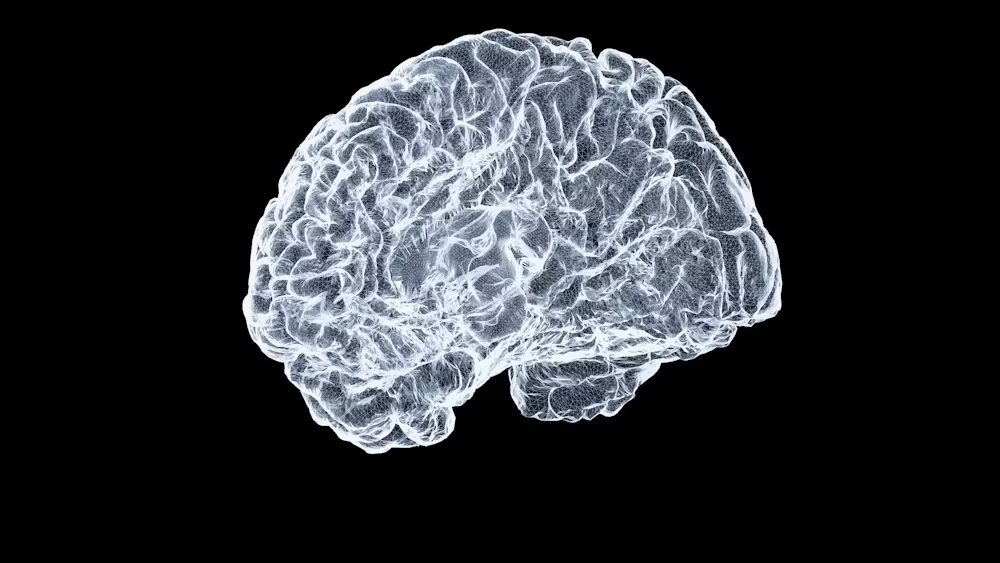
Alzheimer's Disease Research — What Recent Drug Approvals Mean for Patients
New amyloid-targeting therapies have entered the US market, raising important questions about eligibility, monitoring, and long-term clinical benefit.

CAR-T Cell Therapy — Expanding Applications Beyond Blood Cancers
Researchers are working to adapt chimeric antigen receptor T-cell therapy for solid tumors, addressing challenges in tumor microenvironment penetration.

Gut Microbiome Research and the Immune System — What the Data Is Revealing
Studies are uncovering intricate connections between gut bacterial composition and immune function, opening new avenues for autoimmune disease research.
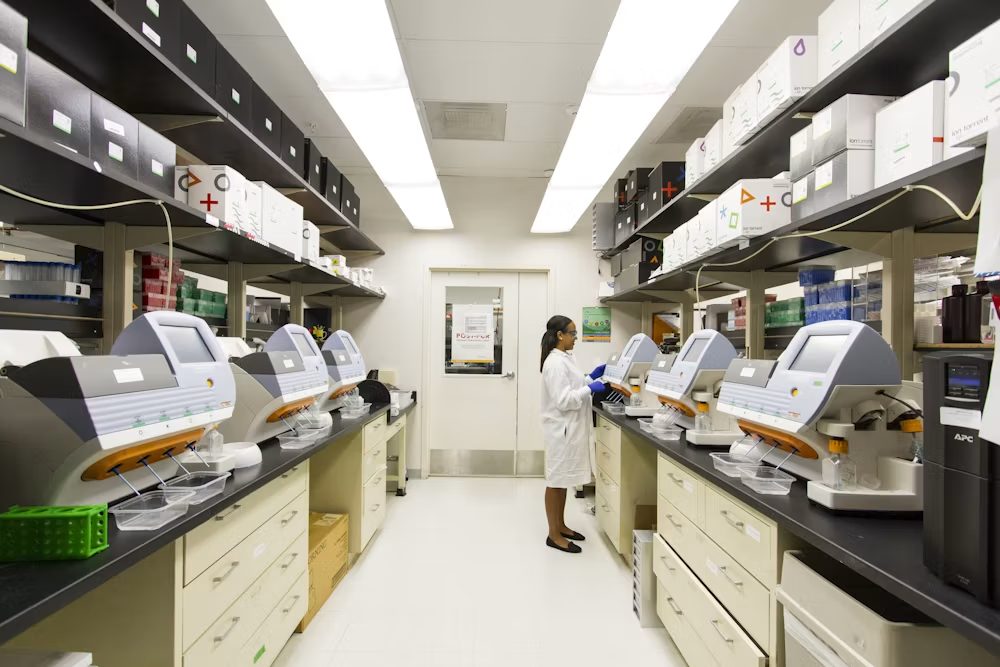
Polygenic Risk Scores and Their Emerging Role in Preventive Clinical Practice
Advances in genomic analytics are allowing clinicians to stratify patient risk for conditions like heart disease and diabetes years before onset.
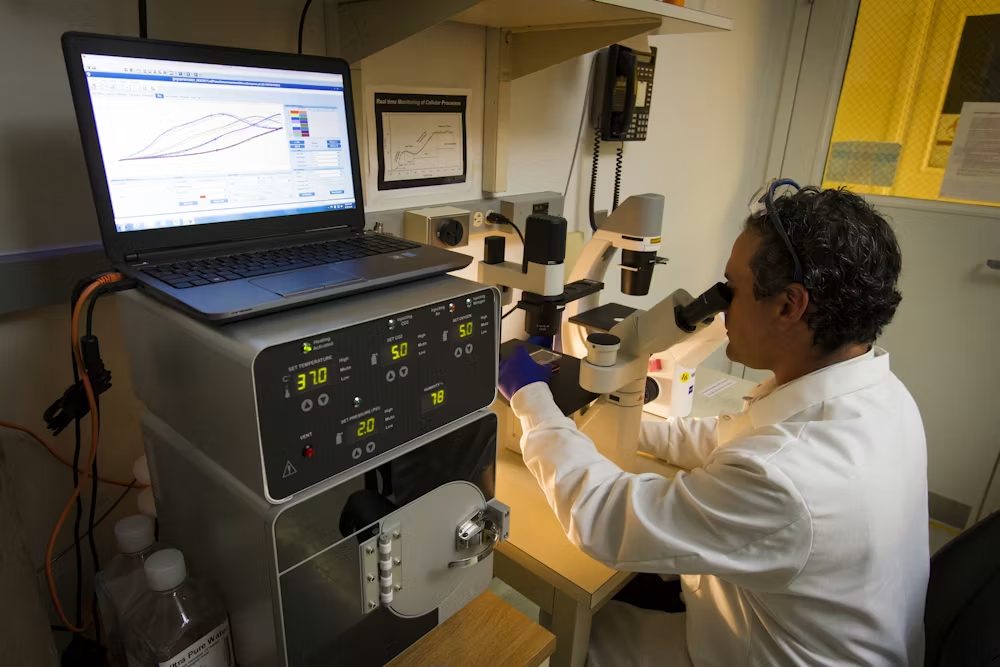
AI in Medical Imaging — Performance Benchmarks and Real-World Clinical Gaps
While AI diagnostic tools show strong lab performance, researchers are examining how accuracy translates in diverse, real-world clinical imaging environments.